Recognizing LLCs: Key Details for Entrepreneurs and Company Owner


When launching a new company, picking the proper organization framework is an essential choice. One popular option amongst entrepreneurs is forming a Restricted Responsibility Firm (LLC). An LLC not just provides versatility in administration and operations but additionally supplies significant legal securities to its proprietors. Structurally, an LLC is a hybrid entity that combines the pass-through taxes of a collaboration or sole proprietorship with the minimal liability of a firm. This means that profits and losses can pass straight to the proprietors without going through business taxes, while individual possessions remain secured from service financial obligations and lawful issues. Furthermore, LLCs are understood for their flexibility in regards to membership. There's no maximum variety of participants, and it consists of individuals, corporations, various other LLCs, and even foreign entities in many cases.
The process of forming an LLC varies somewhat from one state to an additional but typically entails declaring short articles of organization with the state's secretary of state workplace and paying a declaring cost. This basic record details vital information regarding the LLC, such as its name, major workplace address, and the names of its participants. Depending upon the state, you may additionally be needed to publish a notice in neighborhood newspapers concerning the LLC development to abide by state laws. After facility, it's crucial for LLC members to compose an operating agreement. While not constantly lawfully required, this interior document sets forth the policies for possession and procedure of the organization. It details procedures for adding new participants, allocation of losses and profits, processes for organization meetings, and actions for dissolving the LLC. An operating arrangement is a vital tool that helps protect against disputes among participants by clearly defining each participant's legal rights and duties.
Recognizing the Framework and Benefits of a Restricted Liability Business (LLC)
A Restricted Responsibility Firm (LLC) is a preferred business structure in the USA because of its adaptability and the protection it offers its proprietors from personal liability. Basically, an LLC is a crossbreed entity that incorporates the pass-through taxes of a partnership or single proprietorship with the restricted liability of a firm. This means that revenues and losses can travel through to the personal revenue of the proprietors, called participants, without subjecting the participants to individual responsibility for business debts and claims. Among one of the most appealing facets of an LLC is its flexibility in administration. Unlike corporations, LLCs are not required to have a board of supervisors or hold regular board meetings, which makes them a favored choice for local business and startups that look for a much less formal framework. In addition, LLCs do not have restrictions on the variety of participants they can have, unlike S corporations, which are restricted to 100 investors. This adaptability enables LLCs to expand and adjust as they increase their business procedures. The process of creating an LLC varies a little from one state to another, but generally involves submitting a record understood as the Articles of Company with the state federal government and paying a declaring cost. The Articles of Organization include basic info such as the name of the LLC, its address, and the names of its participants. When created, the LLC has to comply with state regulations, and it might be called for to file annual records and pay yearly costs. Another vital file for LLCs is the Operating Contract, which outlines the administration structure and running treatments of the firm. Although not all states require an Operating Contract, it is very a good idea to create one to ensure all members are clear on their civil liberties and duties, as well as the distribution of earnings. Tax for LLCs likewise offers a number of advantages. By default, LLCs are treated as pass-through entities for tax purposes, implying that the LLC itself does not pay tax obligations on its revenue. Rather, the income is gone through to the members who report it on their personal tax returns. This structure avoids the double taxes often seen in companies, where both the business and the shareholders have to pay tax obligations on the very same income. An LLC can likewise pick to be exhausted as a company if this confirms to be a lot more useful under certain situations. This adaptability in tax obligation status can dramatically boost the financial preparation capacities of the LLC's participants.
Comprehending the Structure and Advantages of an LLC
An LLC, or Restricted Liability Business, is a prominent service structure in the United States due to its versatility and protection it offers its owners, called members. Essentially, an LLC incorporates the pass-through taxation of a collaboration or single proprietorship with the minimal obligation of a corporation, making it an attractive choice for many local business owner. This crossbreed framework allows profits and losses to pass directly to the members without the firm itself being subject to federal earnings taxes, which prevents the problem of dual taxes frequently experienced in firms. Members of an LLC are secured from individual obligation for business financial obligations and cases, an attribute that can protect personal properties such as a home or vehicle from business-related claims. Furthermore, LLCs are reasonably simple to establish and keep with much less documentation and reduced start-up prices than companies. The versatility of an LLC additionally includes management; unlike corporations, which have to have a board of supervisors and corporate officers, an LLC can be managed by its participants or by managers who might not be participants. This can be specifically beneficial in situations where participants are not experienced in running a company and would like to employ knowledgeable managers. Additionally, there is no limit on the variety of members an LLC can have, and it can include people, corporations, other LLCs, and even international entities, supplying excellent adaptability in possession structure and financial investment opportunities. On the whole, the LLC is made to supply an adaptable service framework that provides legal securities while staying clear of a number of the formalities and hassles related to conventional corporate structures.
Operational and structural Elements of an LLC
When discovering the architectural and operational elements of a Minimal Liability Business (LLC), it is important to recognize exactly how these components combine to provide versatility and defense to its participants. An LLC is a prominent company structure in the USA because of its capability to protect individual assets from service obligations while providing pass-through taxation to its owners, that are referred to as members. The structure of an LLC is extremely adaptable, enabling a single individual or several entities to own it. This adaptability reaches monitoring; LLCs can be handled by participants (member-managed) or by designated supervisors (manager-managed), which is advantageous for participants who like not to be associated with the everyday procedures of business.
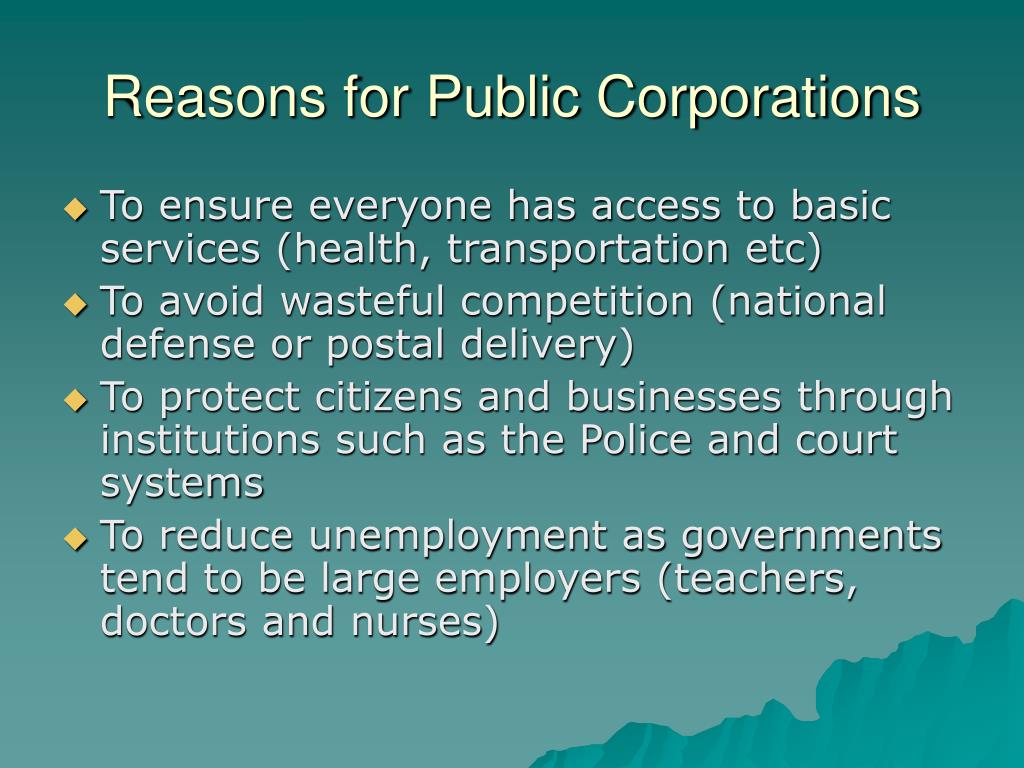
The operational mechanisms of an LLC are governed by an operating contract, which is an important document that outlines the monitoring framework, participant tasks, and economic distributions. Although not compulsory in every state, this agreement is essential as it addresses possible problems by clearing up guidelines and treatments. For example, the operating contract information exactly how earnings and losses are distributed amongst members, which could be based upon the preliminary investment percent or various other agreed-upon terms. It also marks procedures for including brand-new participants and the actions needed if a participant wishes to exit the LLC, making sure smooth transitions and proceeded operations. Another considerable element of an LLC's procedure is its versatility in taxes. Unlike firms, which undergo double tax-- once at the business level and once again on returns-- LLCs delight in pass-through taxes. This means that the LLC itself does not pay tax obligations at the firm level. Rather, earnings and losses pass through to specific participants' tax returns, where they undergo individual income tax obligation rates. This not just streamlines the tax filing procedure however also frequently leads to reduced total tax obligations for members. However, the benefits of an LLC's structure and procedures come with the duty of conformity with state-specific laws, which can differ commonly. Normal state filings, such as annual reports and revival fees, are generally called for. In addition, preserving the separation in between individual and company finances is essential in preserving the legal securities given by the LLC framework. public corporation business definition to comply with these formalities can cause a piercing of the corporate shroud, where members could become personally responsible for company financial obligations. While the LLC provides countless benefits, persistent administration and adherence to lawful obligations are vital for preserving its integrity and functional effectiveness.
Comprehending the Flexibility and Security Supplied by LLCs
One of one of the most considerable benefits of developing a Limited Obligation Company (LLC) is the adaptability it provides in management and monetary framework, together with the crucial property security it offers to its proprietors. Unlike even more stiff business frameworks, LLCs permit for a tailored monitoring format, which can be especially helpful for local business that might call for a more hands-on approach from its participants. Proprietors of an LLC, described as members, can either manage the organization themselves or select supervisors to manage the everyday operations. This adaptability can be necessary for businesses that call for quick decision-making procedures without the requirement to adhere purely to protocols and rules typical of companies. LLCs are recognized for their capacity to secure personal properties of the participants from service responsibilities such as financial obligations and legal judgments. This suggests that in the instance of economic failure or legal actions versus the company, the personal effects of the members, like homes and personal financial institution accounts, are generally not in jeopardy. This level of defense provides a padding that can encourage more risk-taking and financial investment in business, understanding that personal possessions remain safe and secure. Another eye-catching function of LLCs is their tax benefits. The Internal Earnings Service (INTERNAL REVENUE SERVICE) permits LLCs to be taxed as either a company, partnership, or as part of the proprietor's individual tax return. This adaptability guarantees that participants can select the most beneficial tax treatment for their details conditions, possibly decreasing their total tax obligation concerns. In addition, the capacity to structure the economic interests of members in numerous means even more boosts the allure of LLCs. Members can gain from the profits of the service through circulations that are not directly connected to their portion of possession. This can be specifically advantageous in situations where participants contribute various amounts of time, effort, or sources. The LLC structure additionally easily enables for the very easy enhancement or elimination of members without significant interruptions to the business, offering a scalable and versatile framework that can evolve as business grows. Plainly, the operational and architectural flexibility, coupled with the significant protection from personal responsibility and different tax choices, make LLCs an appealing option for entrepreneurs seeking to balance control and protection with possible growth and earnings. This one-of-a-kind blend of functions not only aids in protecting member's assets but also in promoting a setting that contributes to development and development.